

%402x.svg)
Business Growth & Strategy
WhatsApp Sales Funnel: How to Turn Website Visitors into Booked Consultations
A WhatsApp button on its own is not a sales system. Here is how to turn it into a real path from website visitor to booked consultation.

A WhatsApp sales funnel is not just a green button somewhere on the homepage. It is a designed path from someone landing on your site to a qualified conversation, a booked consultation, and a proper follow-up. Most Kenyan businesses already use WhatsApp, but they use it informally, which means scattered conversations, slow replies, repeated questions, and no real record of which source produced which opportunity.
If you already have traffic and engagement but want more booked calls out of it, the fix is rarely another marketing push. It is turning a passive contact button into a structured funnel: landing page context, a prefilled message, a couple of qualifying questions, a response script, a handover to whoever books the call, and somewhere the conversation actually gets recorded once it ends.
WhatsApp reduces friction between intent and conversation in a way forms rarely do. A visitor who has read a service page, seen some proof, and tapped a WhatsApp button can become a qualified consultation faster than a visitor pushed into a long generic form. But that only holds true when the business behind the button has scripts, routing, a sense of expected response time, and somewhere the conversation gets recorded. Popularity alone does not build a funnel, structure does.
It also helps to know the difference between the two levels of WhatsApp for business. The free WhatsApp Business App covers a business profile, a product catalog, and basic messaging tools, which is usually enough for a single small team fielding a manageable volume of chats. The WhatsApp Business Platform is built for larger-scale integrations: automated routing, template messages, and CRM-connected workflows. Most businesses do not need to start on the Platform. Start with the App, get the process right, and move up once volume actually demands it.
The funnel should begin with a clear reason to start chatting: an audit request, a quote discussion, an eligibility check, a booking, or a strategy call. A vague WhatsApp link that just opens to a blank chat with Hi produces vague, low-intent conversations. Give people a reason to reach out and they will show up already knowing what they want, which makes the entire conversation shorter and easier to qualify.
Add the button after you have made the offer, shown some proof, and answered the obvious objections, not before. The button works best when the visitor already has enough context to ask something specific. Dropping it at the very top of the page before any of that context exists usually produces weaker, less qualified conversations, and this is really the same message-match problem we cover in our conversion audit guide: a CTA that shows up before the visitor is convinced just gets ignored or clicked without real intent.
A prefilled message such as I would like to book a website audit tells your team exactly what the person wants before the conversation even starts. Keep it short and easy for the visitor to edit if it does not quite match what they meant. This alone removes a surprising amount of back and forth at the start of a conversation, and it gives whoever picks up the chat immediate context instead of a bare Hi to decode.
The first reply should acknowledge the request, confirm the next step, and ask one or two qualifying questions, not launch straight into a sales pitch. Fast, clear first replies keep the momentum from the click. A generic template that ignores what the person actually asked for reads as impersonal and slows things down, which defeats the entire point of choosing WhatsApp over a form in the first place.
Ask only what you actually need to move the conversation forward: the need, the timeline, the location, a rough budget range, or a preferred time. A long questionnaire inside WhatsApp creates exactly the kind of friction the channel is supposed to remove. Two or three well-chosen questions usually beat ten, and they should feel like a normal conversation, not a form that happens to live inside a chat app.
Once someone looks like a fit, offer specific times or a booking link rather than letting the chat drift without a next step. A qualified conversation that never gets a calendar action attached to it tends to quietly go cold. This is also where response speed starts to matter more than people expect. Harvard Business Review's long-running research into online sales leads found that businesses which respond slowly lose a disproportionate share of otherwise winnable deals, and that pattern holds just as true for a WhatsApp chat as it does for an email inquiry.
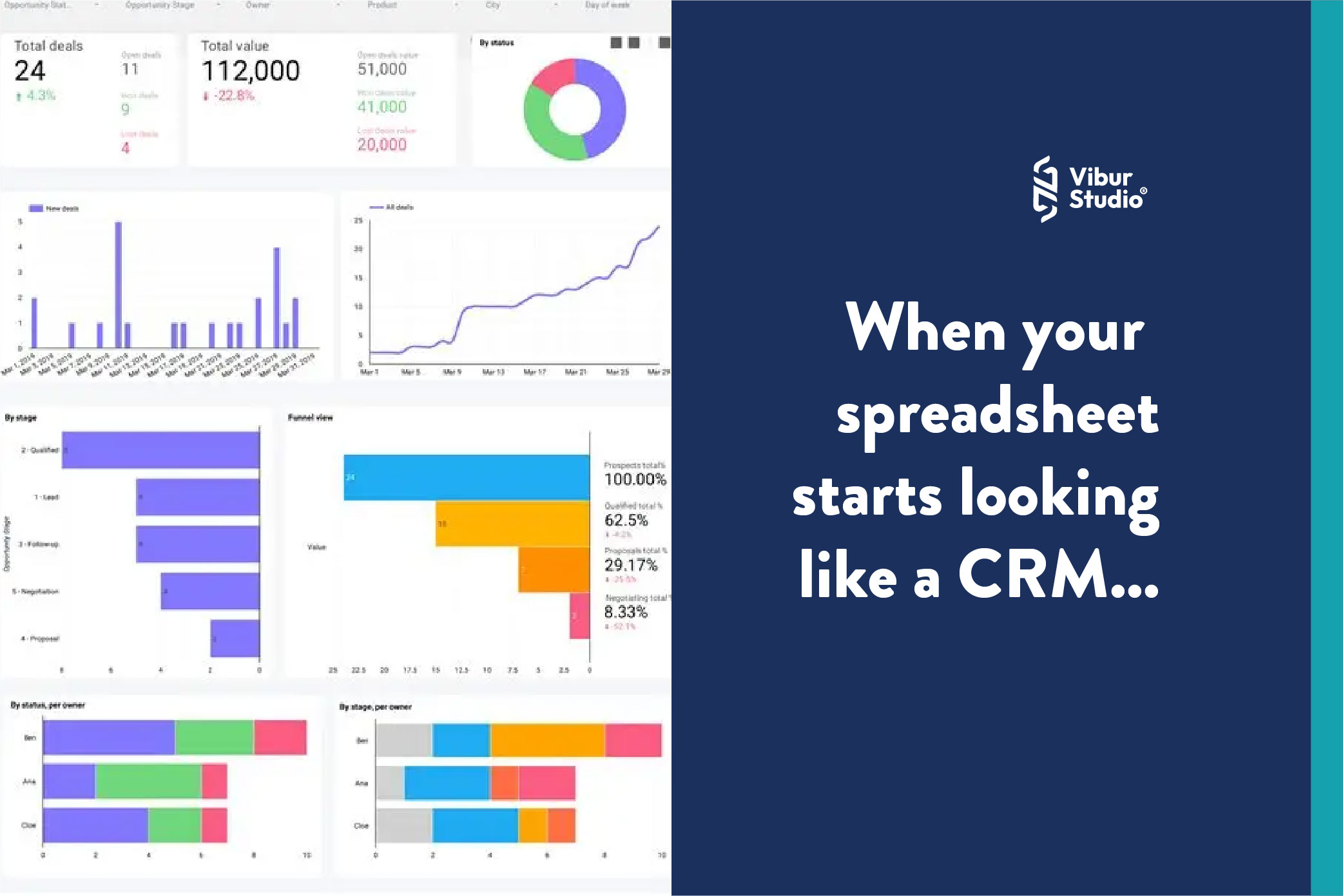
WhatsApp alone should never be the permanent record. Capture the name, phone number, source, service interest, stage, and next action in a CRM or even a structured spreadsheet to start. If the only place a lead exists is inside someone's personal WhatsApp, it disappears the moment that person is busy, on leave, or changes phones. This is the same discipline behind a proper sales pipeline: every lead needs an owner, a stage, and a next action that lives somewhere the whole team can see, not just in one person's chat history.
Kenya's Data Protection Act requires careful, purposeful handling of personal data, and outbound template messages at scale on WhatsApp's Business Platform follow their own opt-in rules separate from normal replies. A well-designed funnel only asks for what it actually needs, is clear about the next step, and does not quietly turn into unsolicited promotional messaging later. Getting this right protects the business as much as it protects the customer.
A consulting firm running a free growth audit offer could open its WhatsApp chat with I would like to book a growth audit for my business rather than a blank Hi. The first response asks for business type, a website link, and a preferred day. Once qualified, the lead gets a booking link and is added to a pipeline stage called Audit Requested, so the team can later see exactly which page, which campaign, or which post produced which booked call. Over a few months, that record becomes genuinely useful for deciding where to spend more marketing effort.
These numbers matter more together than alone. A page can drive plenty of WhatsApp clicks and still underperform if the conversations never get qualified or booked, which is exactly the kind of gap our conversion audit guide is built to catch.
If any of this sounds familiar, it is often less about WhatsApp itself and more about the page sending people there in the first place. Our website audit checklist is a useful starting point if you are not sure whether the problem sits on the page, in the chat, or after the chat ends.
What is a WhatsApp sales funnel, in practice?
It is the structured path that takes a visitor from interest on your website into a WhatsApp conversation, a qualification step, a booking, and proper follow-up, rather than an unstructured chat that starts and ends with the same open-ended message.
Do I need the WhatsApp Business App or the full Business Platform?
Small businesses can usually start with the free Business App and its basic profile, catalog, and messaging tools. Larger teams handling higher volume, or needing CRM-connected automation, tend to move to the Business Platform once that volume actually justifies it.
Should WhatsApp replace contact forms entirely?
Not necessarily. WhatsApp is excellent for fast, low-friction conversations, while a form can be better suited to more detailed qualification for complex or higher-value services. Many businesses use both, depending on the page and what is being offered.
How do I actually track WhatsApp leads?
Tagged landing pages, click events on the button itself, prefilled messages that indicate source, and a CRM field to log where each conversation started all help. The right setup depends on what tools you are already using, which is worth a conversation before building anything new. A quick site audit usually surfaces this fast.
What is the single biggest reason booked WhatsApp leads go cold?
Slow first response, more than anything else. A well-designed page and a good offer can still lose the lead if nobody replies for hours. Fixing response time is usually the cheapest, fastest improvement available.
If your site already drives WhatsApp clicks but you are not sure how many turn into real bookings, or if leads keep disappearing into someone's personal chats, Vibur Studio can help you design and set up a funnel that actually gets tracked from click to consultation.